Services
- Home
- Services
Ultrasonic Testing
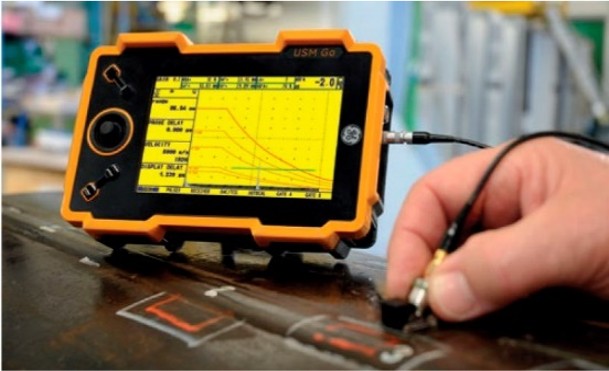
- Ultrasonic Testing (UT) is an advanced non-destructive testing method that uses high-frequency sound waves to detect internal and surface defects in welds and components.
- It provides accurate detection and sizing of discontinuities such as cracks, lack of fusion, inclusions, and corrosion without damaging the component.
Radiography Testing
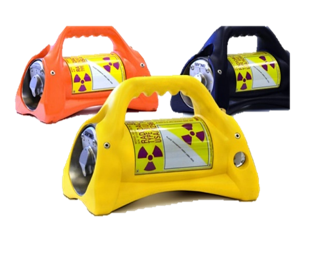
- Radiography Testing (RT) is a non-destructive inspection method that uses X-rays or gamma rays to produce images of the internal structure of welds and components, revealing hidden defects.
- It is widely used for detecting internal discontinuities such as porosity, slag inclusions, cracks, and lack of fusion, providing permanent inspection records for quality assurance.
Liquid Penetrant Testing
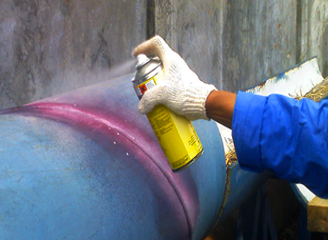
- Liquid Penetrant Testing (LPT) is a non-destructive testing method used to detect surface-breaking defects such as cracks, porosity, and laps in non-porous materials.
- It provides highly sensitive surface defect detection and is widely used for welds, castings, forgings, and critical components.
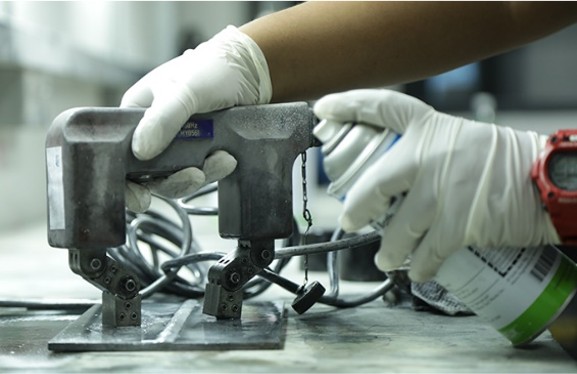
Magnetic particle Testing
- Magnetic Particle Testing (MPT) is a non-destructive testing method used to detect surface and near-surface defects in ferromagnetic materials by applying a magnetic field and detecting magnetic flux leakage.
- It is highly effective for identifying cracks, laps, seams, and other discontinuities in welds, castings, forgings, and critical components.
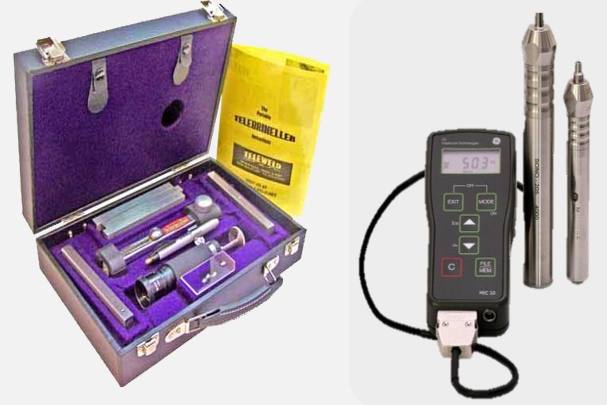
Hardness Testing
- Hardness Testing is a non-destructive testing method used to measure a material’s resistance to indentation, deformation, and wear.
- It helps verify material properties, heat-treatment effectiveness, and compliance with specified hardness requirements.
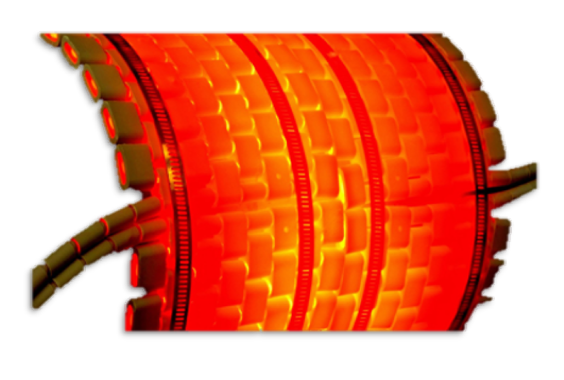
Heat Treatment Inspection
- Heat Treatment Inspection (PWHT Monitoring) ensures that pre-heating and post-weld heat treatment activities are performed in accordance with applicable codes and project specifications, enhancing weld integrity and mechanical properties.
- It helps reduce residual stresses, minimize the risk of cracking, and improve the long-term reliability and service life of critical Oil & Gas pipeline systems.
Guided Wave Ultrasonic Testing
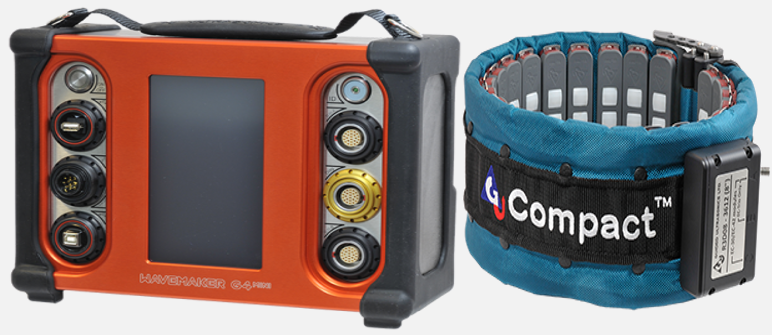
- Guided Wave Ultrasonic Testing (GWT) is advanced ultrasonic inspection technology capable of screening up to 60 meters from a single test location.
- Detects corrosion, metal loss, and structural defects in inaccessible or difficult-to-inspect areas
- Reduces inspection time, operational disruption, and maintenance costs while enhancing asset reliability.